

About
I am a Consultant Physician in diabetes, endocrinology and general medicine, and an Honorary Clinical Associate Professor at UCL Medical School.
My NHS post is as a Consultant in Acute Medicine, Diabetes and Endocrinology at Royal Free London NHS Foundation Trust, where I lead the pituitary multidisciplinary team at the Royal Free site, working closely with the neurosurgeons at the National Hospital for Neurology and Neurosurgery, and I lead the department's quality improvement and mortality review work.
Privately, I see outpatients at The Physicians' Clinic and The Harley Street Clinic in Marylebone, and look after inpatients at The Princess Grace Hospital and the Royal Free Hospital.
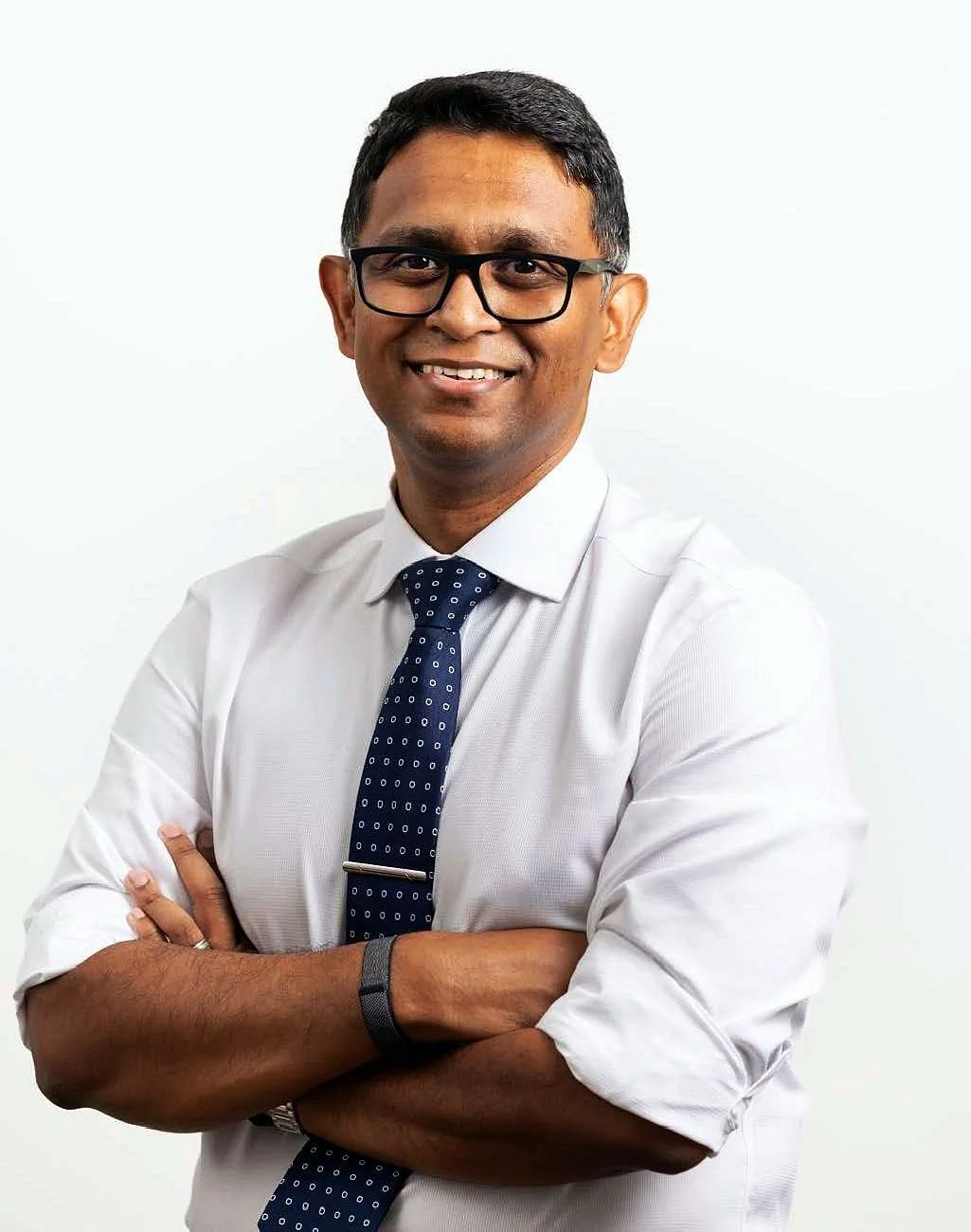
I graduated in medicine from the University of Dhaka in 2009, with distinction, and passed the FCPS in Internal Medicine of the Bangladesh College of Physicians and Surgeons in 2016 with the highest mark in the country that year, for which I was awarded the BCPS Gold Medal.
I moved to the UK in 2017 and completed specialist training in diabetes, endocrinology and general internal medicine on the North Central London rotation, including a year as Royal College of Physicians Chief Registrar at the Royal Free in 2022–23. I was appointed Consultant at the Royal Free in 2024.
Training
Qualifications
MBBS (Dhaka) · FCPS (Medicine) · MRCP (UK) · MRCP (Endocrinology and Diabetes) · FACP
Certificate of Completion of Training in Diabetes, Endocrinology and General Internal Medicine
GMC registration 7573628
Special interests
Pituitary and adrenal medicine. Cushing's syndrome, adrenal tumours and phaeochromocytoma, hyperaldosteronism, and the full range of pituitary disease including acromegaly, prolactinoma, hypopituitarism and pituitary apoplexy.
Type 1 diabetes and diabetes technology. Insulin pumps and continuous glucose monitoring, and complex type 1 diabetes. I am trained in the DAFNE and BERTIE structured education programmes and run specialist clinics for complex type 1 diabetes and the diabetic foot.
Acute and general medicine. Diagnosing and stabilising serious and undifferentiated medical illness, and second opinions where symptoms do not fit one box.
How I work
Most people who come to see me want two things: a clear explanation of what is going on, and a plan they can actually follow.
I write to you after every appointment, in plain English, and copy the letter to your GP. You will know what I found, what we agreed, and what happens next. If I have asked your GP to do something, it is written down so nothing depends on memory.
Appointments are unhurried. A first consultation is up to forty-five minutes because a hormone problem is rarely a five-minute conversation. You see me at every appointment.
Teaching
As an Honorary Clinical Associate Professor I teach undergraduate medical students for UCL Medical School, and I supervise specialty registrars, foundation doctors and students at the Royal Free. I have a professional interest in the safe and ethical use of artificial intelligence in clinical practice.
Technology and AI in medicine
I am interested in how artificial intelligence can be brought into everyday clinical work safely — not as a substitute for a doctor's judgement, but as a way of lifting the administrative weight off it, so that the time in the room is spent on the patient rather than the paperwork.
To be clear about what that means for you: decisions about your care are made by me, with you. Technology helps with the administration around your appointment; it does not make clinical judgements about you.
Hence to my own practice, the word ‘AI’ stands for ‘Augmented Intelligence’ rather ‘Artificial Intelligence’!